
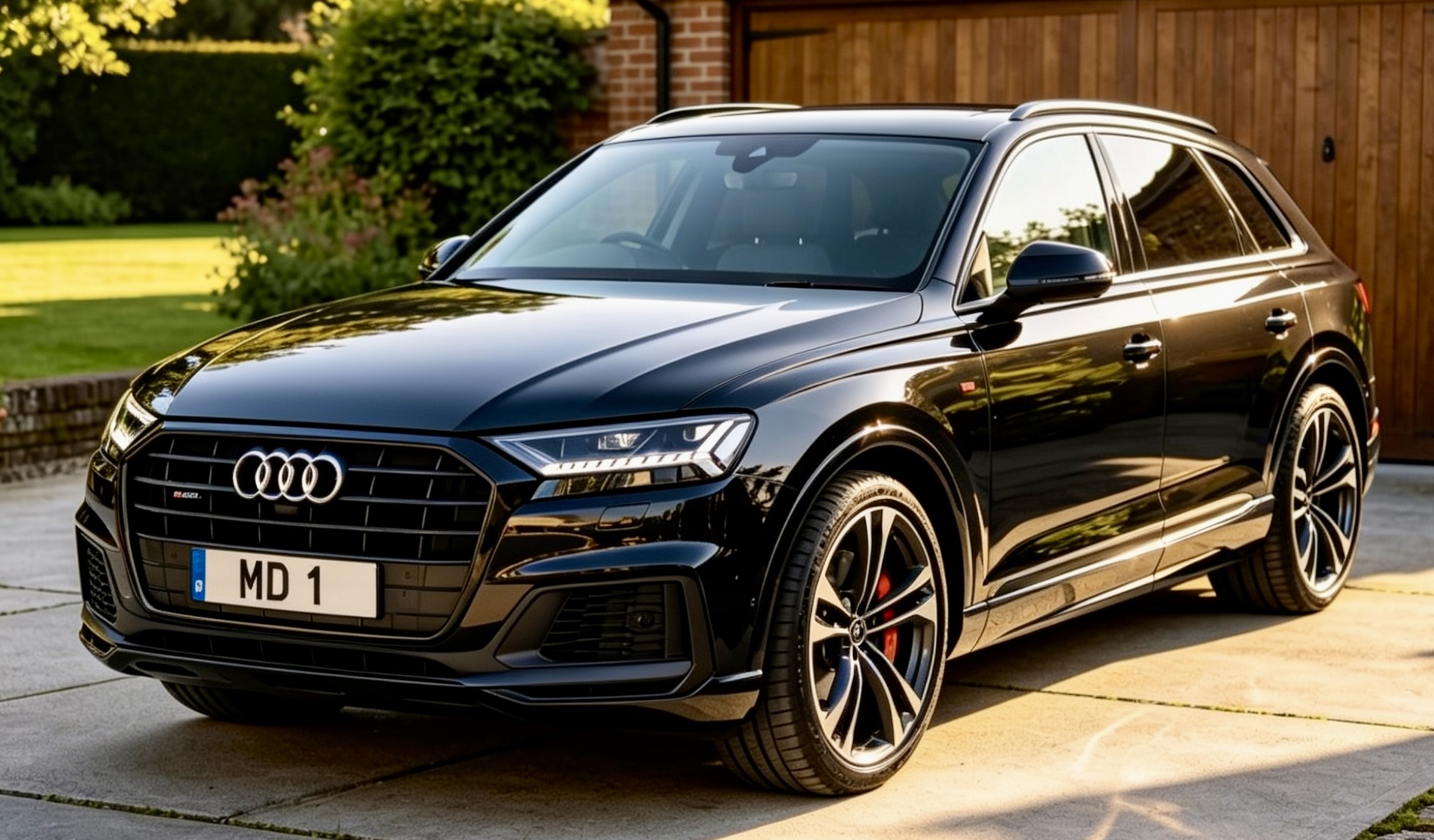
Is Professional Valet & Detailing Tax Deductable?
By Major Detail | Auto Valeting & Detailing Services
If you run a business or use your vehicle for work, you’ve probably asked this question: “Can I claim the cost of having my car professionally detailed against my tax bill?”
It’s a great question — and the short answer is yes, absolutely — but only if you follow HMRC’s rules.
In this post, we’ll break down exactly when you can claim, how much you can deduct, what records you need, and the simple steps to make sure you stay compliant while saving money.
🚗 When is vehicle valet & detailing tax deductible?
Under UK tax law, you can claim business expenses if they are incurred “wholly and exclusively” for the purpose of your trade or profession.
This applies to valeting and detailing costs in these situations:
✅ 1. Your vehicle is owned by your limited company
If your car or van belongs to your business:
• 100% of the cost is tax deductible
• It counts as a normal running or maintenance expense, just like servicing, insurance or fuel.
Note: If you also use the vehicle for personal trips, you will pay a small Benefit-in-Kind tax for private use — but the business portion of costs still remains fully claimable.
✅ 2. You are self-employed or a sole trader
If you work for yourself and use your own vehicle for business:
• You can claim the percentage of the cost that matches your business use
• Example: If you drive 75% of your miles for work, you can claim 75% of your detailing bill.
This applies to all types of business users including:
✔ Tradespeople (builders, plumbers, electricians)
✔ Sales representatives and agents
✔ Driving instructors, delivery drivers and couriers
✔ Mobile service providers (like us!)
✔ Anyone whose professional image depends on a clean, well-presented vehicle
When can’t you claim?
You cannot claim detailing costs if:
❌ The vehicle is used only for personal use (shopping, family trips, holidays)
❌ The only “work” travel is commuting (driving from home to your permanent workplace — HMRC counts this as private travel)
How do you calculate what you can claim?
There are two approved methods you can use — and the one you choose changes whether and how you claim detailing costs.
Method How it works Can you claim detailing? Best for…
Actual Costs Method Claim the business percentage of all your real running costs each year ✅ YES — this is the best choice if you want tax relief on your valets and details Those driving fewer miles, or who invest in high-quality vehicle care
Flat Rate Mileage Method Claim a fixed amount per business mile: 45p/mile for the first 10,000 miles, 25p/mile after ❌ NO — cleaning and detailing costs are already built into the mileage rate, so you cannot claim them separately High-mileage drivers where the fixed rate gives a higher total claim
💡 Recommendation
If you regularly invest in professional detailing — especially if you want your vehicle to look immaculate for clients — choose the Actual Costs Method. This way, every valet, polish or protection treatment you pay for reduces your taxable profit.
🧮 Example calculation
Let’s see exactly how much you could save:
Facts:
• Total miles driven in the year: 12,000
• Business miles: 9,000 → 75% business use
• Cost of full professional valet & machine polish from Major Detail: £140.00
Your claim:
£140 × 75% = £105.00 allowable expense
If you pay tax at 20%, this saves you £21.00 straight off your tax bill — money back in your pocket just for keeping your work vehicle looking its best.
What records do you need to keep?
HMRC will only accept your claim if you have evidence to back it up. You must keep these records for at least 6 years:
1. Mileage log For every journey, note:
✅ Date
✅ Start and end locations
✅ Exact business purpose (e.g. “client meeting”, “collecting stock”)
✅ Miles travelled
2. Receipts and invoices
Keep every bill for detailing, valeting, servicing, repairs, fuel, insurance and tax. At Major Detail, we always provide clear, itemised invoices suitable for tax purposes.
3. Odometer readings
Note your mileage at the start and end of each tax year.
✅ Where to put the figures on your tax return
If you are self-employed:
• Enter the total business proportion of all your vehicle running costs into the “Car, van and travel expenses” section of your Self Assessment return.
• Do not list every receipt — just the final calculated total.
If you run a limited company:
• Add the full cost of detailing to your company’s running expenses in your annual accounts and corporation tax return.
🚗 Keep your vehicle professional and save tax
At Major Detail, based in Torbay, we provide professional valeting and detailing services for personal and business vehicles across South Devon. Every service comes with a clear, tax-compliant invoice, so claiming your costs is simple and stress-free.
Our Services:
Level 1. Maintenance Valet
Level 2. Comprehensive Valet (Re-Set)
Level 3. Major Detail (Our Signature Valet)
Engine bay or headlight restoration — keeping your vehicle immaculate isn’t just great for your business image; it can be tax-efficient too.
📞 Ready to book?
Email: booking@majordetail.co.uk
Phone/WhatsApp: 07910 329 007
Website: www.majordetail.co.uk
Always check with your accountant or tax advisor if you are unsure about your specific circumstances.